2026-05-14
Getting a mold to run smoothly starts with getting the design right. Many mold issues – stuck parts, sink marks, warpage – begin in the design stage. We work with you to prevent these problems before any steel is cut.
Here’s how we collaborate with customers to design right:
1. Early Design Review (DFM Check)
Feel free to share your design or even it’s just an idea.
We review it for potential mold issues: draft angles, wall thickness, undercuts, gate location, shrinkage assumptions.
You get clear, actionable feedback – no technical jargon, just practical recommendations.
Benefit: Catch problems before they become expensive mistakes.
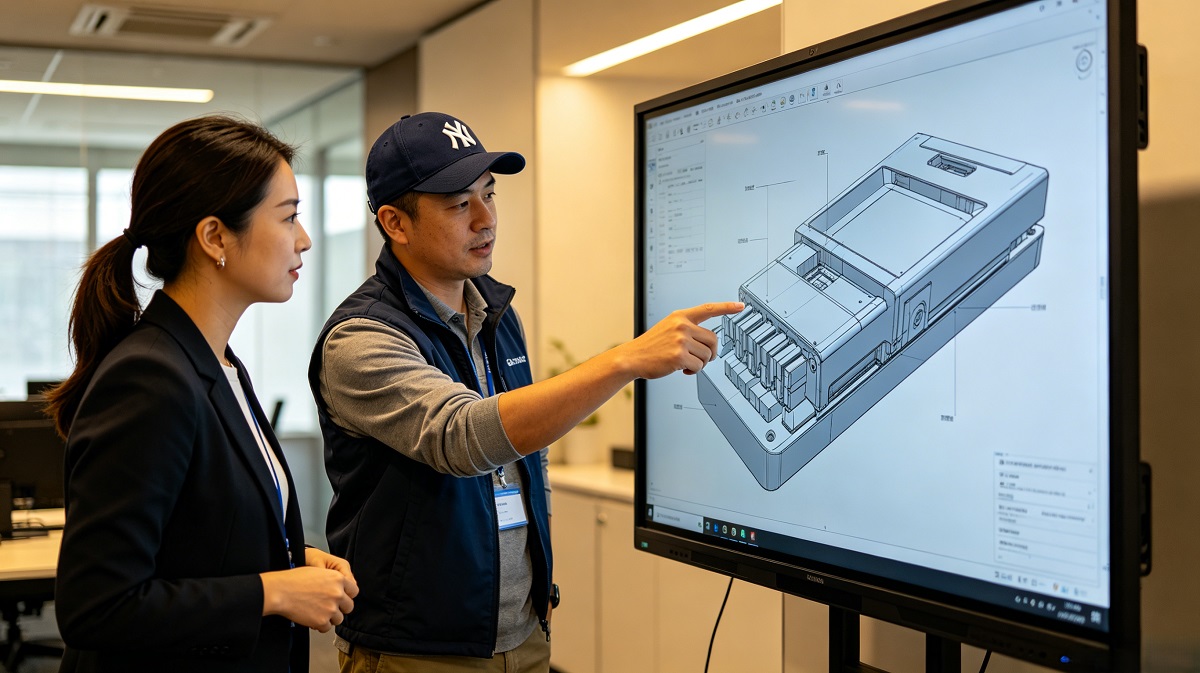
2. Collaborative Design Adjustment
We work together with your engineers to tweak the part design.
Examples:
Add small draft angles for smoother ejection
Adjust thickness transitions to prevent sink marks
Move gates to avoid weld lines
Resolve undercuts with smart parting line changes
Benefit: Your part is ready for molding, reducing risk of rework or delays.
3. Mold Flow Simulation & Final Design Sign-Off
Before any mold is built, we simulate how the plastic will flow, where air traps may form, and how cooling affects warpage.
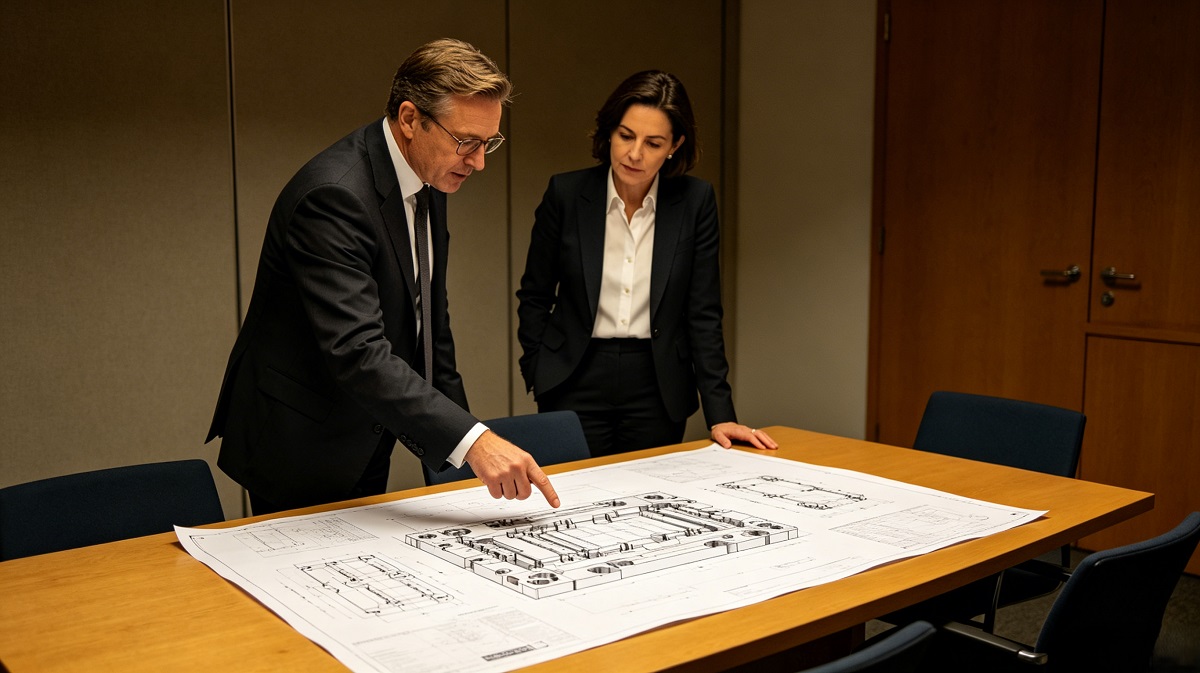
You approve the final mold design, including parting line, ejector pins, and cooling layout.
Benefit: You’re confident the mold will run smoothly the first time – no surprises, no blame.
The Result
By working together from the start:
Mold production is smooth
Parts meet specifications
Rework and delays are minimized
✅ The principle is simple: design right once, avoid problems twice.