2026-04-28
How Many Types of Plastic Moulding Are There? A Complete Guide
Learn the 5 most common types of plastic moulding (extrusion, compression, blow, injection, rotational) and how to choose the right process for your project.
Plastic moulding is a fundamental manufacturing process used across industries—from automotive and packaging to construction and consumer goods. If you’re wondering how many types of plastic moulding are there, you’re in the right place. While there are several specialized techniques, the 5 most common and widely used types of plastic moulding are extrusion moulding, compression moulding, blow moulding, injection moulding, and rotational moulding.
The choice of plastic moulding process depends on your specific project requirements, including the part’s shape, size, complexity, strength, and production volume. By understanding each type’s unique advantages and applications, you can select the most efficient and cost-effective method for your needs. Below is a detailed breakdown of each of the 5 key plastic moulding processes.
1. Extrusion Moulding
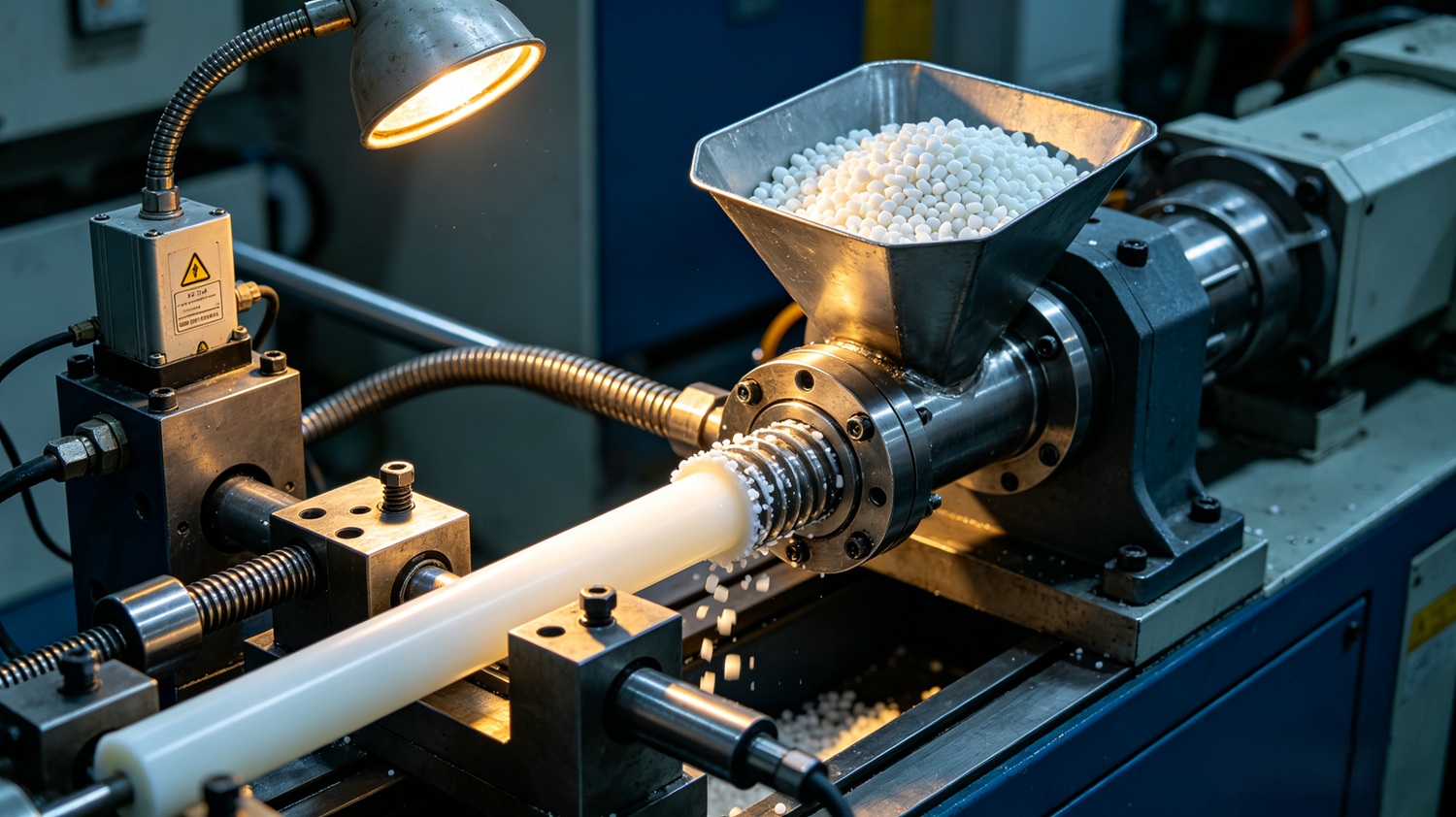
Extrusion moulding is one of the most versatile and widely used plastic moulding processes, primarily designed to produce long, continuous plastic shapes. This method is ideal for manufacturing products like pipes, tubing, sheets, films, and profiles—items that require consistent cross-sections throughout their length.
The extrusion process works by feeding raw plastic resin (in pellet form) into a heated barrel, where it is melted and mixed. A rotating screw then forces the molten plastic through a custom-designed die—a tool that shapes the plastic into the desired cross-section as it exits the machine. Once extruded, the plastic is cooled (typically with water) to solidify into its final, continuous form. Extrusion moulding is valued for its high production speed, cost efficiency, and ability to create uniform, consistent parts.
2. Compression Moulding
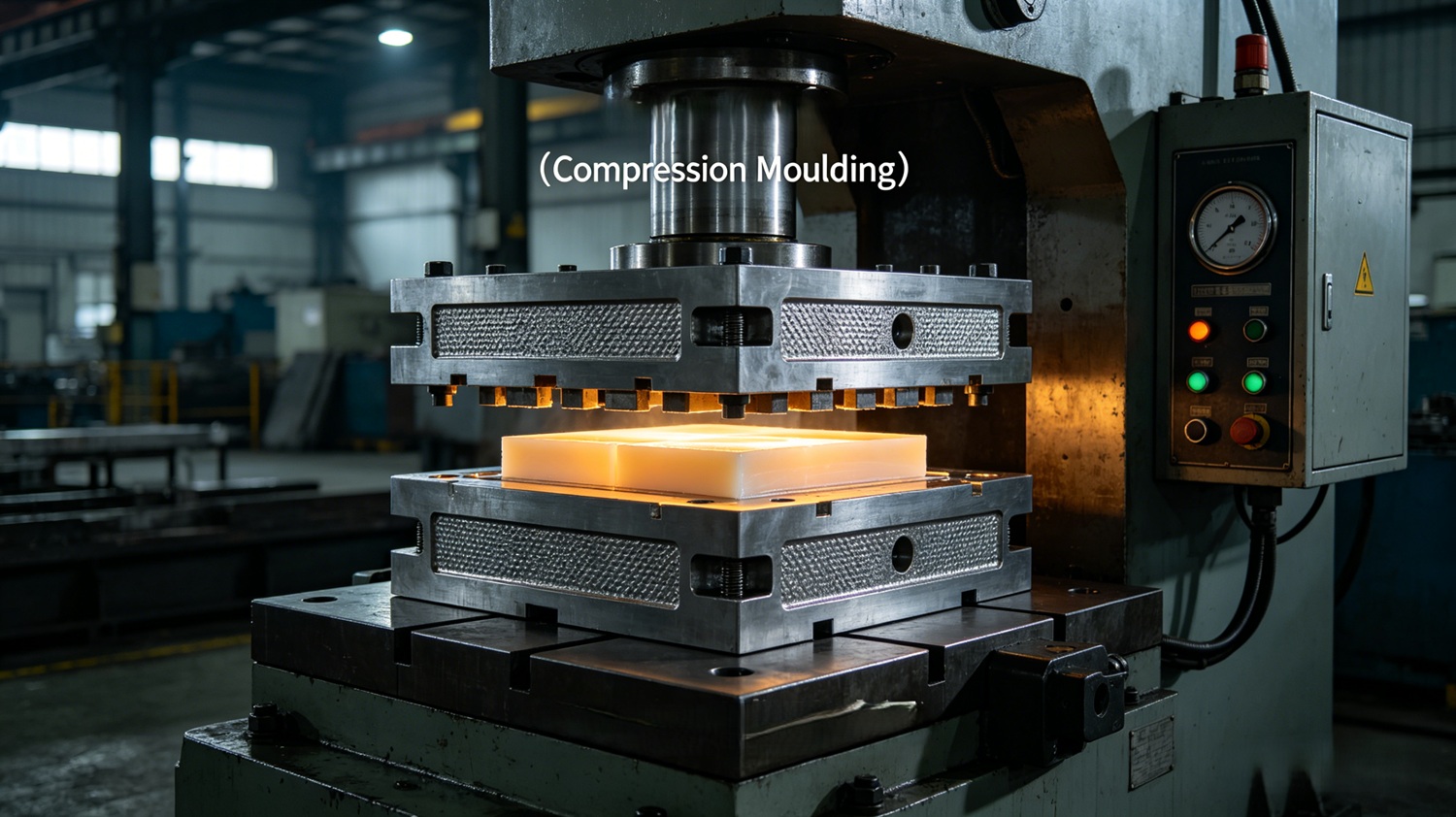
Compression moulding is a tried-and-true method ideal for producing large, thick, or intricate plastic parts with exceptional strength and durability. This process is commonly used for thermoset plastics (though it can also work with some thermoplastics) and is popular in industries like aerospace, automotive, and electrical manufacturing.
The compression moulding process begins with placing a pre-measured amount of heated plastic material (often in the form of a pellet, powder, or sheet) into an open, heated mould cavity. The mould is then closed, and a hydraulic press applies high pressure to compress the plastic, forcing it to fill every detail of the mould. The plastic is held under pressure and heat until it cures (for thermosets) or solidifies (for thermoplastics), after which the mould is opened to remove the finished part. This method excels at creating parts with tight tolerances, high structural integrity, and minimal waste.
3. Blow Moulding
Blow moulding is the go-to process for producing hollow plastic objects—think bottles, containers, jugs, and even toys. It is a cost-effective method for high-volume production of hollow parts, with applications spanning the food and beverage, cosmetic, and household goods industries.
There are two main types of blow moulding: extrusion blow moulding and injection blow moulding. In both cases, the process starts with melting plastic resin to form a hollow tube (called a parison). The parison is then placed inside a mould, and compressed air is blown into the tube, forcing it to expand and conform to the shape of the mould cavity. Once the plastic cools and solidifies, the mould opens, and the hollow part is removed. Blow moulding is prized for its ability to create lightweight, seamless hollow parts with consistent wall thickness.
4. Injection Moulding
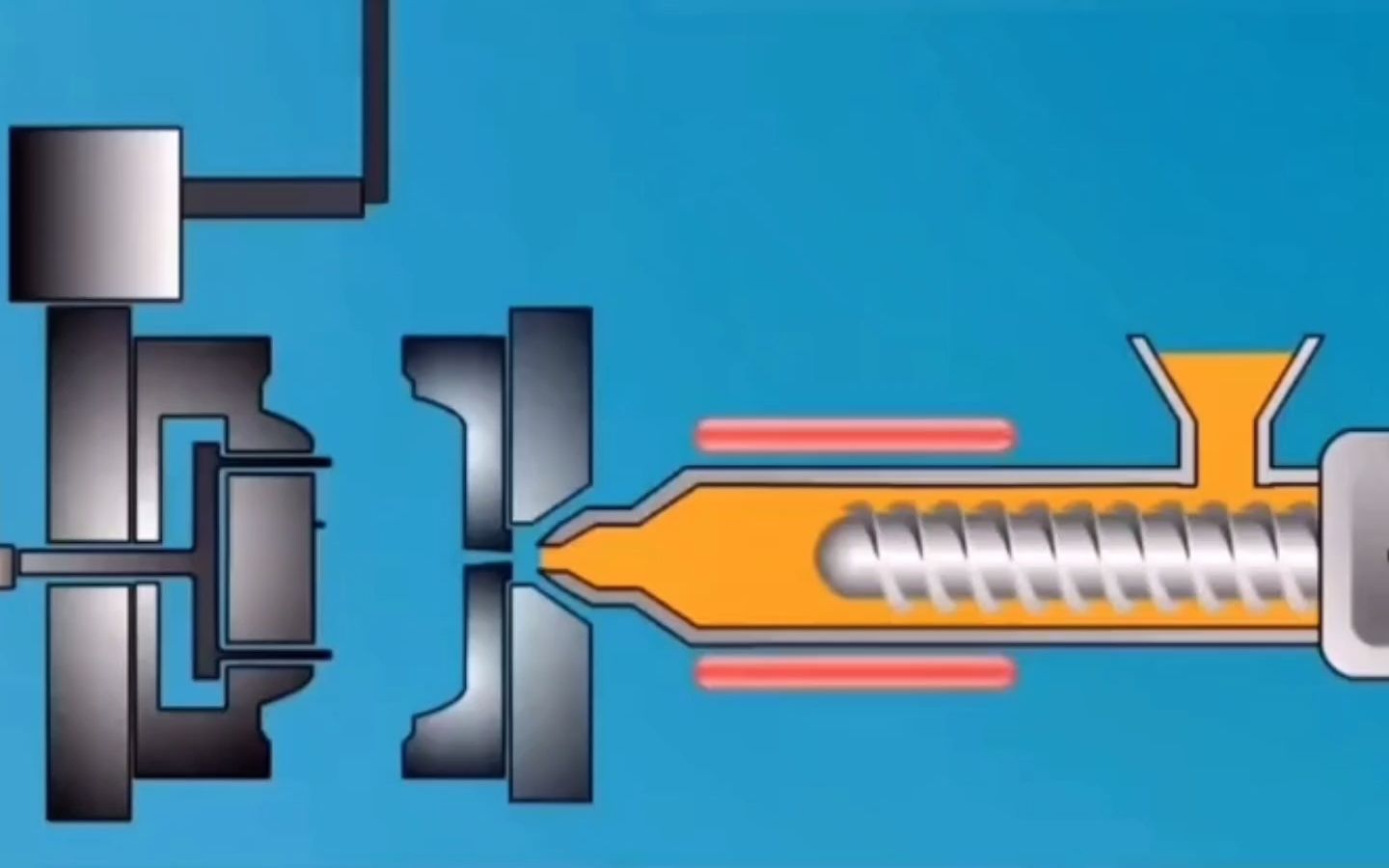
Injection moulding is the most widely used plastic moulding process globally, thanks to its ability to produce high-precision, complex parts in large volumes. It is suitable for both thermoplastics and thermosets and is used to make everything from small electronic components and medical devices to automotive parts and household appliances.
The injection moulding process involves feeding plastic pellets into a heated barrel, where they are melted into a molten state. A reciprocating screw then injects the molten plastic into a closed, precision-machined mould cavity under high pressure. The plastic cools and solidifies inside the mould, and once fully set, the mould opens to eject the finished part. Key advantages of injection moulding include high production efficiency, tight tolerances, consistent part quality, and the ability to create complex shapes with intricate details.
5. Rotational Moulding
Rotational moulding (also known as rotomoulding) is ideal for producing large, hollow plastic parts with uniform wall thickness and no seams. This process is commonly used to make tanks, containers, playground equipment, kayaks, and other large-scale items that require durability and structural integrity.
The rotational moulding process starts with placing plastic resin (in powder form) into a hollow mould. The mould is then heated and rotated simultaneously around two perpendicular axes. As the mould rotates, the molten plastic coats the interior of the mould evenly, forming the desired shape. Once the plastic cools and solidifies, the mould is opened, and the finished part is removed. Rotational moulding is valued for its ability to create large parts without the need for high pressure, resulting in lower tooling costs and fewer defects compared to other processes.
Choosing the right plastic moulding process is critical to ensuring your project’s success. Whether you need continuous extruded parts, high-precision injection-moulded components, or large hollow rotomoulded products, understanding these 5 key types will help you make an informed decision. For more insights on plastic moulding techniques or to find the right solution for your project, feel free to reach out to industry experts.